Healing What Modern Medicine
Said Couldn't Be Healed.
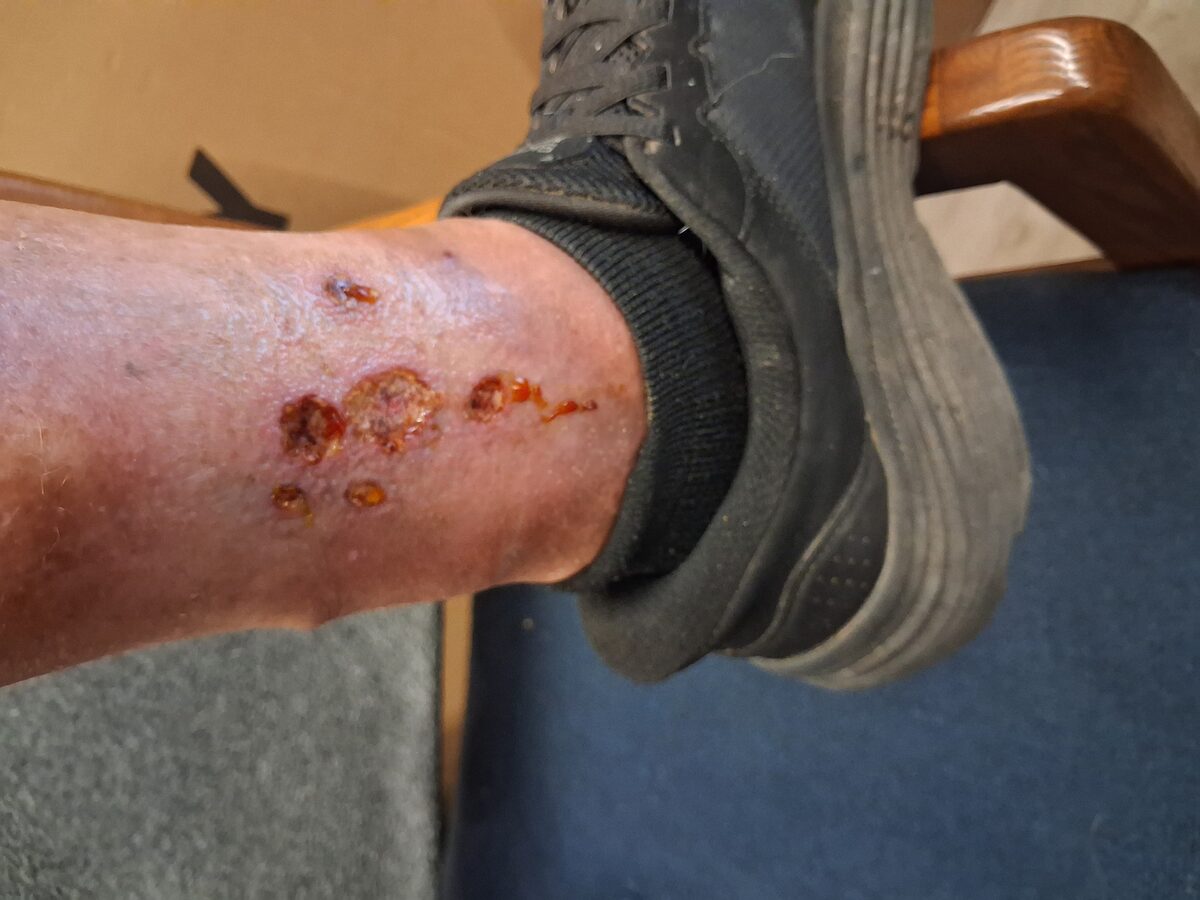
I'm Jamie. 58 years old. Living in a camper in Arizona. I have DVT, neuropathy in both legs, and a wound at my left ankle that has refused to heal for months — near the site of an Achilles tendon repair from 1986. An ER doctor told me to look into peptides. I did. This is what happened next.
Baseline — Day 1
Left ankle. August 8, 2026. This is what months of DVT-impaired circulation does to a wound. Multiple open sores that won't close. This is what we're healing.
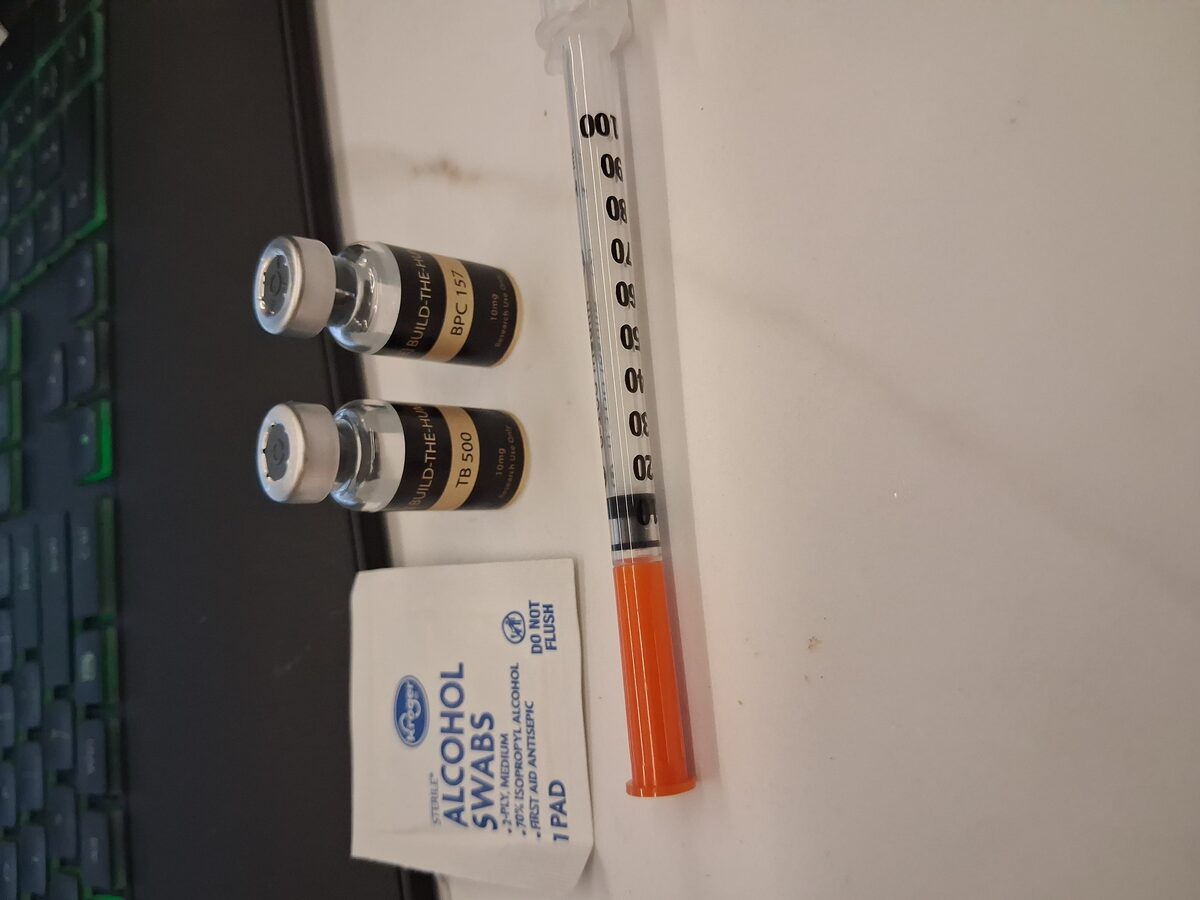
The Wolverine Stack
Two research peptides with decades of preclinical evidence for tissue repair, angiogenesis, and tendon healing.
Body Protection Compound
A 15-amino-acid peptide derived from gastric juice. Promotes angiogenesis (new blood vessel formation), accelerates wound healing, and has well-documented Achilles tendon repair in rat transection models.
Thymosin Beta-4
A naturally occurring peptide found in wound fluid and platelets. Mobilizes repair cells systemically, promotes structural tissue remodeling, and complements BPC-157's local angiogenic action.
What I'm Treating
This is a personal research journal documenting one individual's self-directed experiment with research peptides. Nothing here is medical advice. I am not a doctor. I'm a 58-year-old man who did his research and made an informed decision. I've been to two ERs and was pointed in this direction by an ER physician. Read the third-party lab analysis in the Research Docs section. Do your own homework.